
Patients
Research holds the key to better treatments, health, and quality of life.
As a person living with or affected by kidney disease, you have an important role to play.
Whether you are a patient, care partner, donor, or family member, you can make valuable contributions to research. The skills and experience you bring will help researchers understand what is most important to patients and develop better studies.
KidneyLink is your connection to kidney research teams across Canada looking to work with people like you!
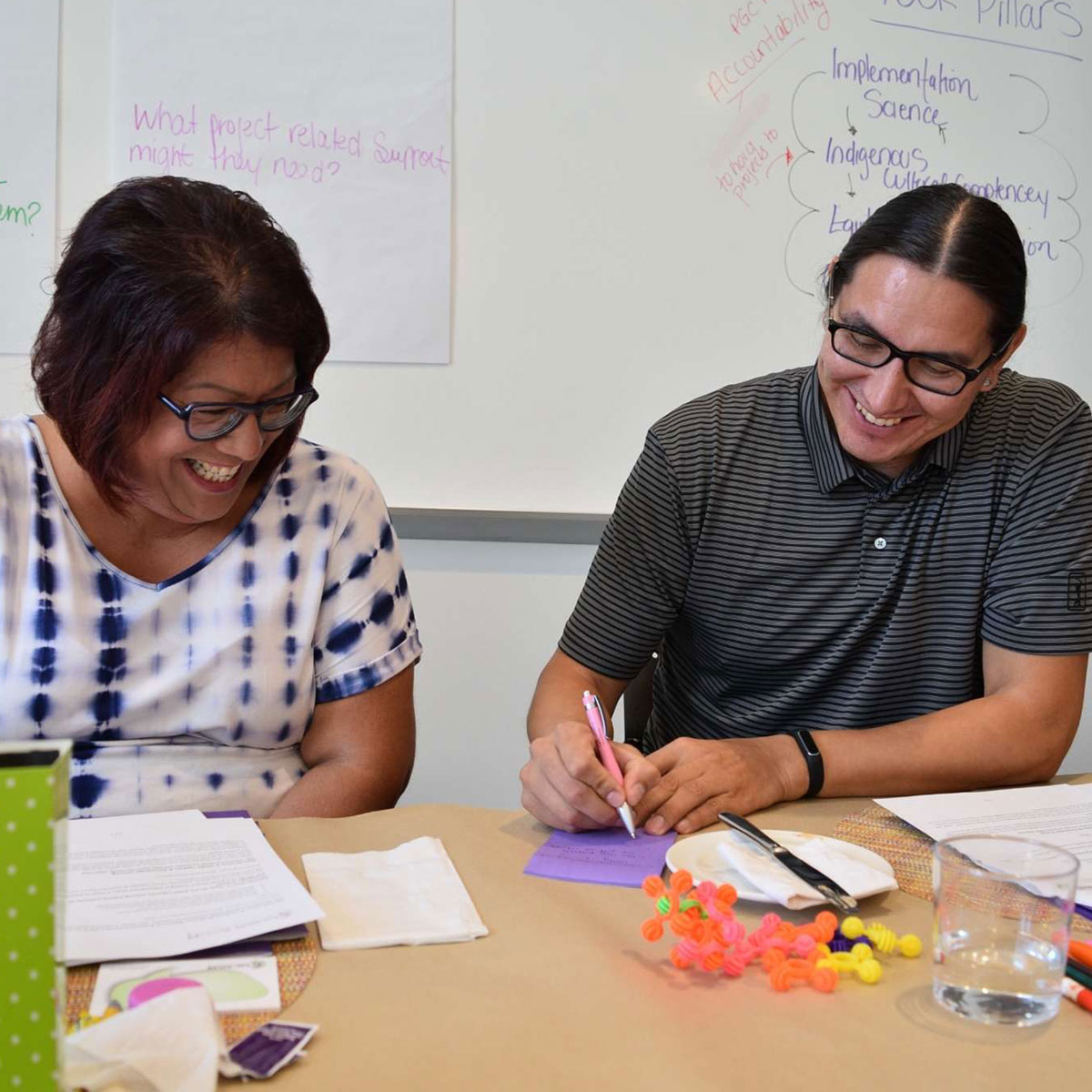
What KidneyLink offers
Why get involved in research?
When patients are involved in research, the result is better studies shaped by real-life experience and focused on what matters most.
Aligning research goals with patient priorities produces information that can meaningfully improve diagnosis, treatment, and prevention of kidney disease.
Here’s how your voice and participation can make a difference
Your voice, and lived experience are a vital part of supporting research and making it relevant to you and the community. You can help researchers understand how their studies will impact patient and families. Find a role that fits your schedule and preferences.
The time commitment will vary with the work you choose to do. The chart at right is a rough estimate of the time commitment one can make for any project.
You can talk to the researcher or their team members to get a better idea of what they need and how you can be a part of their project.
| Level of Involvement | Time Commitment |
|---|---|
| A) A participant in a study. Completing surveys, being interviewed, joining a focus group, testing new apps and websites | It happens once, taking from 15 minutes to several hours |
| B) Editing patient/family information, website review, and similar jobs | Varies by study, can be done by email |
| C) You can be a part of the study design, collaborating in the development and execution of surveys, interviews, and focus groups. | Meeting frequency varies depending on the progress of the work (weekly, monthly, quarterly, or less frequent). |
| D) Data analysis | Time commitment depends on the role you choose |
| E) Co-writing manuscripts upon completion of the study | Varies by study |